


Understanding Money in Vietnam
 Costs
Costs Shopping
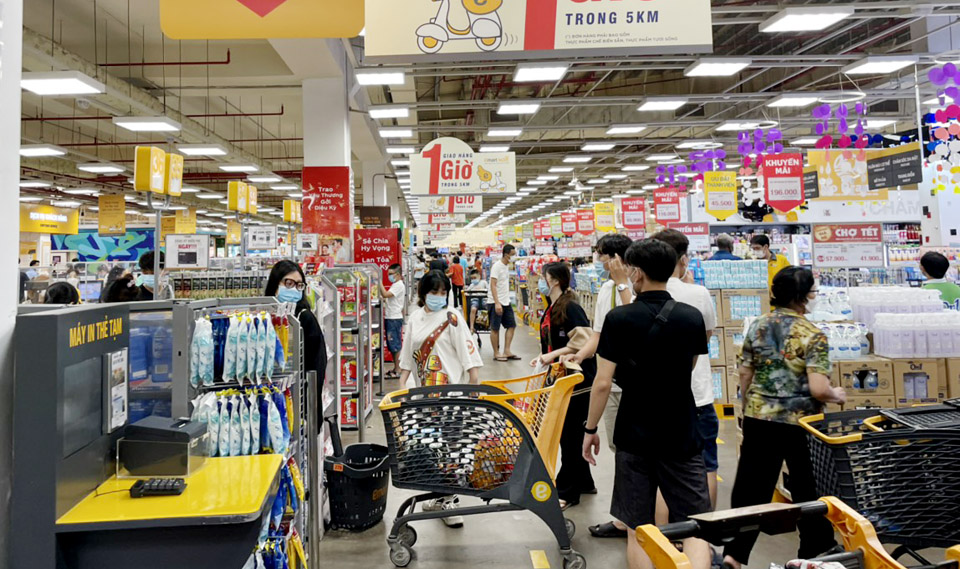
Vietnam offers a wide range of products, including clothing, bronze, ceramics, wood carvings, and paintings at reasonable prices, thanks to low labor costs. It’s an ideal place for budget-conscious shoppers looking for quality items.
Tipping
Though not obligatory, tipping is greatly appreciated in Vietnam. It shows appreciation for good service, encourages high standards, and supports the tourism industry. In local restaurants, tipping US$1 is typical for solo diners or 10-15% of the bill in upscale restaurants. For drivers, consider tipping US$5 if traveling solo, or US$10-15 for a group per day. Tour guides typically receive US$5-7 per day, or US$2-4 per person on group tours. Although tipping is not required, it’s a personal choice based on service quality and trip length.
Currency Use
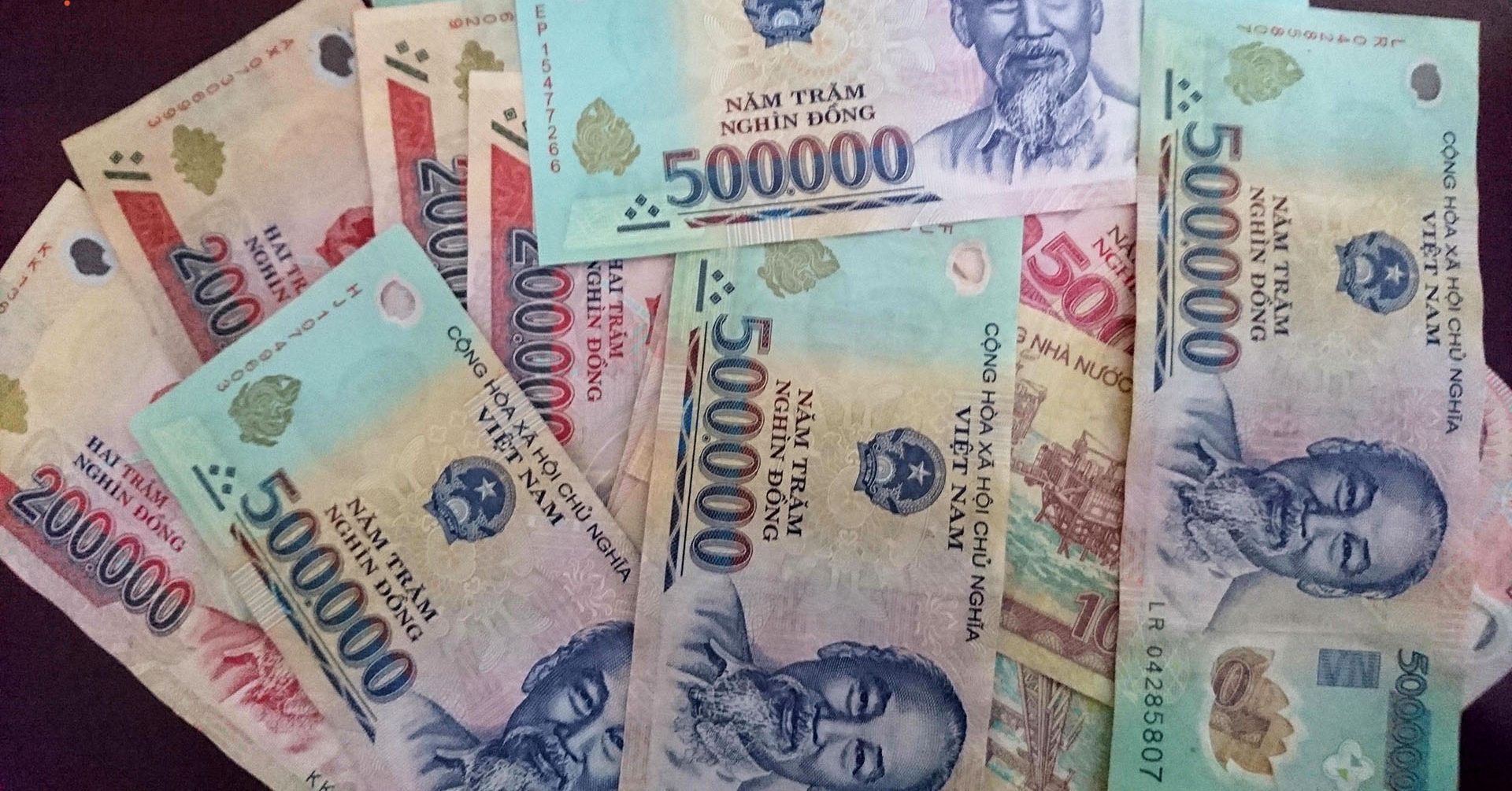
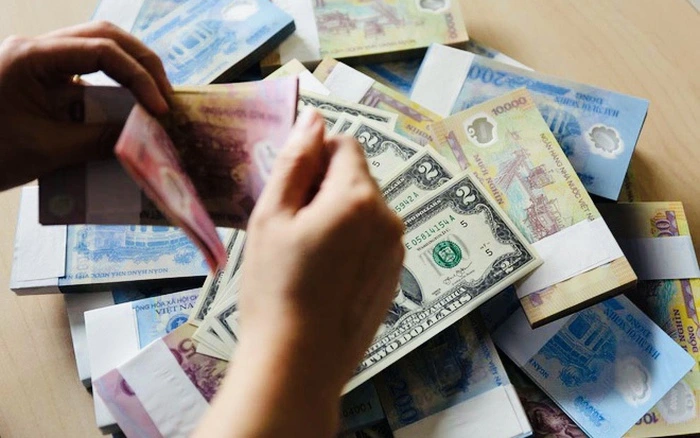
The Vietnamese dong is the official currency for transactions, with prices legally quoted in VND. Foreign currencies can be exchanged only at licensed exchange bureaus. However, in popular tourist areas, the US dollar is widely accepted alongside VND, with some establishments displaying prices in both currencies. In rural or non-tourist areas, only dong is accepted. To avoid inconvenience, carry smaller bills for minor purchases, check the condition of your notes, and keep large denominations separate from smaller ones to avoid confusion. The highest denomination is currently 500,000 dong, but be cautious as 20,000-dong notes look quite similar, despite the significant value difference.
Exchanging Money
Money exchange is accessible in Vietnam through major banks such as Vietcombank, BIDV, and Techcombank, where you can exchange currency securely with your passport. Airport exchange counters at Noi Bai and Tan Son Nhat airports offer convenience, though the rates may be less favorable. Some travelers exchange money at gold shops or on the black market for better rates, but this is risky due to the potential for counterfeit notes, scams, or legal penalties, as Vietnamese law only permits currency exchanges at licensed establishments.
ATMs and Credit Cards
ATMs are readily available in cities and tourist areas, with banks like Vietcombank, Agribank, Vietinbank, Sacombank, and SEAbank widely represented. Foreign banks such as HSBC and Citibank also have a presence in major cities. Withdrawals are dispensed in dong, with most banks allowing multiple withdrawals, though limits are usually set at 2,000,000 VND per transaction (higher limits may be available at select banks). ATM fees are around 20,000-40,000 VND per transaction, with credit cards like Visa, MasterCard, and JCB widely accepted, though Amex incurs a higher fee of around 4%.
